The record in brief Understanding what is a livery in motorsport requires examining the combination of base paint colors, sponsor emblems, and competition numbers applied to a racing vehicle. A racing livery serves both as functional team identification under governing rulebooks and as a visual commercial identity on the circuit.
In motorsport terminology, a racing livery refers to the complete graphic presentation and exterior paint scheme applied to a competition vehicle. The concept traces its roots to historical traditions of heraldic uniforms and transport markings before becoming an essential element of modern racing culture. Understanding what is a livery helps motorsport enthusiasts appreciate how technical regulations, team identities, and commercial partnerships interact on race day.
- Historical definition: Derived from the French term livrée, designating distinctive garments worn by household retainers and railway rolling stock before entering automotive racing.
- Core components: Consists of base chassis paint, mandated competition number roundels, mandatory series technical decals, and commercial sponsor placements.
- Regulatory framework: Overseen by sanctioning bodies like the FIA and NASCAR to maintain visibility, timing identification, and safety standards.
- The 1968 watershed: Marked the official transition from state-mandated national racing colors to commercial corporate sponsorship liveries in Grand Prix competition.
Where Did the Term Livery Originate in Transport and Motorsport?
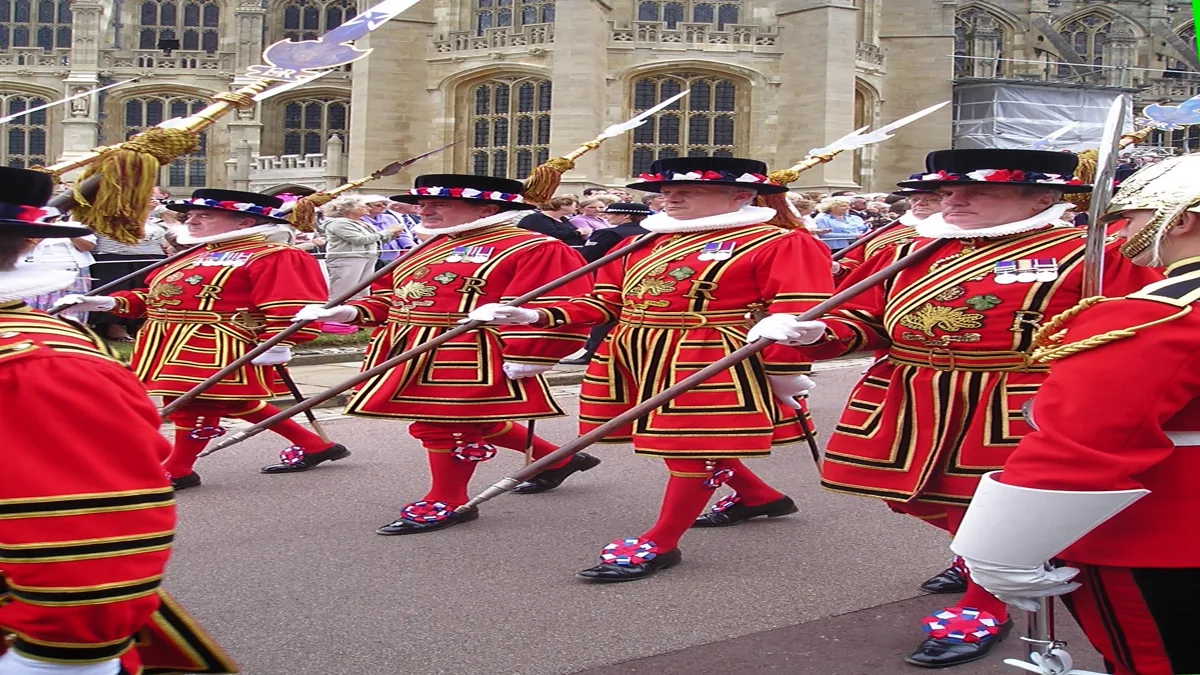
The term livery originated in medieval European feudal society, where noble households provided distinctive cloaks and badges (the French livrée) to retainers and servants. In the nineteenth century, railway companies and shipping fleets adopted liveries to identify their carriages and vessels, establishing the practice of standardized fleet paint schemes.
When organized motor racing commenced at the turn of the twentieth century, organizers required a reliable method to identify entrants across open road courses. Early competitions like the Gordon Bennett Cup assigned solid national colors, such as blue for France, red for Italy, and british racing green for Great Britain.
As motorsport evolved onto permanent closed circuits, the terminology of heraldic livery persisted. Teams adopted consistent color combinations and graphic striping so spectators and pit crews could track their cars from distant grandstands without modern digital displays.
On the record: Historical records from the Federation Internationale de l’Automobile show that early sporting codes defined a racing livery as the registered exterior color and markings submitted by a constructor prior to the start of an official championship season.
What Are the Essential Components of a Racing Livery?
A complete racing livery consists of several distinct visual layers that combine aesthetic design with strict regulatory compliance. While casual observers primarily notice primary colors and brand logos, sanctioning bodies require specific geometric placements for functional race control.
The fundamental elements found on a professional competition livery include:
- Base color scheme: The underlying body paint or vinyl wrap that establishes team identity and contrasts with track surfaces.
- Competition numbers: Highly visible numerals positioned on the front nose, side doors, and roof, adhering to minimum height and font thickness regulations.
- Primary sponsor panels: Dedicated surface areas reserved for major financial partners, traditionally located on side pods, rear wings, and engine covers.
- Mandatory series decals: Contingency sponsor stickers, fuel provider badges, tyre manufacturer emblems, and technical inspection markers required by the rulebook.
- Driver identification: National flags, driver names, and roof markers that assist pit crews and television commentators in distinguishing teammates.
Modern automotive culture continues to celebrate these classic design palettes through lifestyle apparel and outerwear collections from Kozmozracing that reference historic motorsport graphics.
What Is a Livery in Modern Motorsport Compared to Early Eras?
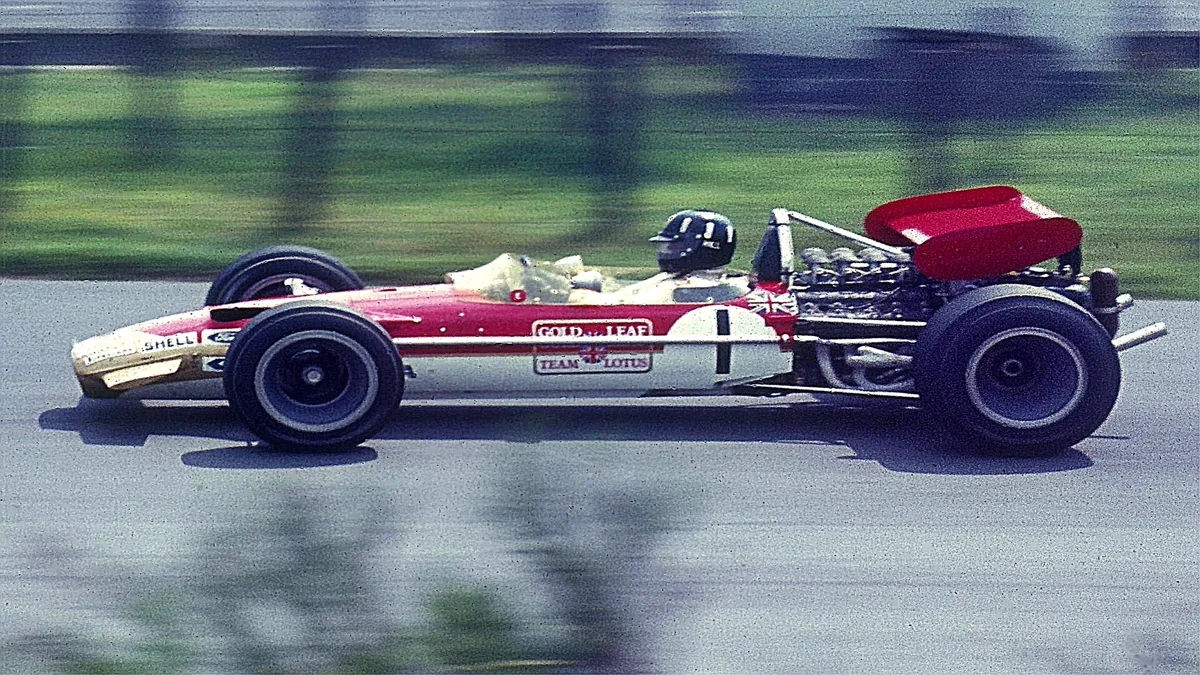
In modern motorsport, a livery functions as a high-value commercial marketing asset and intellectual property asset rather than just an identifier. While early liveries were hand-painted directly onto aluminum panels, modern liveries are designed in computer-aided software and printed onto aerodynamic vinyl films that save chassis weight.
During the national colors era between 1900 and 1967, livery designs remained static for decades. Italian cars were red, British cars were green, and German entries ran in bare aluminum silver. In contrast, modern racing teams reveal bespoke annual liveries, special one-off celebration designs for landmark Grand Prix events, and dynamic color adjustments tailored to high-definition broadcast cameras and sponsor obligations.
Despite these technological shifts, the primary functional requirement remains identical across all eras: a racing livery must ensure clear visual separation between competing constructors at racing speeds exceeding two hundred miles per hour.
How Do Motorsport Rulebooks Regulate Vehicle Liveries?
Motorsport rulebooks regulate vehicle liveries by imposing strict guidelines on color contrast, decal dimensions, emergency markings, and team uniformity. Sanctioning bodies mandate that two cars from the same team must present substantially identical liveries during a championship weekend to avoid confusing spectators and marshals.
In Formula One, the sporting regulations historically required both works chassis to run matching liveries, permitting differentiation only through fluorescent helmet designs, colored roll-hoop cameras, and distinct driver numbers. When the British American Racing team attempted to run two different tobacco sponsor liveries on its cars in 1999, the FIA rejected the request, resulting in the famous dual-sided zipper livery.
Safety regulations mandate specific high-contrast areas. For example, open-wheel racing series require red tow-hook arrows, master electrical cut-off decals, and fire extinguisher discharge markers to remain completely unobstructed by commercial graphics.
| Livery Element | Primary Purpose | Regulatory Requirement | Historical Example Season |
|---|---|---|---|
| Base Paint / Wrap | Team and constructor identity | Registered with sanctioning body | 1950 Alfa Romeo 158 Rosso Corsa |
| Number Roundel | Timing and scoring identification | Minimum height and stroke width | 1966 Ford GT40 Le Mans #2 |
| Title Sponsor Placement | Commercial partner exposure | Permitted surface area limits | 1968 Lotus 49 Gold Leaf |
| Roll-Hoop Camera Color | Distinguish teammates at speed | Mandatory yellow/black assignment | 1990s Formula One modern era |
| Emergency Markings | Safety and marshaling response | FIA standard symbols and placement | 1980s Group C sports prototypes |
Source: FIA Formula One Sporting Regulations Archive and Automobile Club de l’Ouest Historical Technical Rules.
How Did Commercial Sponsorship Transform Grand Prix Liveries in 1968?
Commercial sponsorship transformed Grand Prix liveries in 1968 when the FIA sporting arm officially permitted exterior corporate advertising on competition cars. This rule change ended the sixty-year mandate of national colors, sparking an era of bold graphic design and corporate branding across international motorsport.
Prior to 1968, independent constructors struggled to finance rising engine and chassis development costs under private patron budgets. At an extraordinary conference in late 1967, the Commission Sportive Internationale voted to open chassis bodywork to commercial sponsors.
Team Lotus founder Colin Chapman immediately leveraged the new regulation by securing backing from the Imperial Tobacco company. When the Lotus 49 rolled out for the 1968 Spanish Grand Prix at Jarama, it had discarded green paint for red, gold, and white. This transition created celebrated racing liveries that redefined team branding for subsequent decades. To explore further studies on historical color schemes, visit the Liveries & Colors section of the site.
From the archive mailbag
What is the difference between a livery and a paint job?
A standard paint job refers strictly to the color coating applied to a vehicle’s surface. A racing livery encompasses the entire coordinated graphic design package, including base colors, sponsor logos, competition numbers, striping, and regulatory inspection decals.
Can two cars in the same racing team have different liveries?
In most professional racing series like Formula One, both cars from the same constructor must share a predominantly uniform livery. Minor differences, such as roll-hoop camera colors, mirror caps, or driver numbers, are permitted to help spotters distinguish between teammates.
Why did racing cars originally use solid national colors?
Early motorsport rules from 1900 to 1968 mandated national racing colors so spectators and corner marshals could easily identify the home country of each constructor without electronic scoring systems or commercial sponsor distractions.
What was the first commercial sponsor livery in Formula One history?
Team Lotus introduced the first commercial livery to Formula One at the 1968 Spanish Grand Prix, painting the Lotus 49 in the red, gold, and white colors of the Gold Leaf cigarette brand after the FIA relaxed restrictions on commercial advertising.
Are modern racing liveries painted or wrapped?
While historic racing cars were hand-painted with signwritten decals, modern racing teams predominantly use ultra-thin, lightweight vinyl wraps or direct digital prints to save weight and allow quick replacement of damaged body panels during race weekends.
How we researched this: seasons, results and specifications were checked against series archives and published period sources. An AI system assisted with the rough draft; the history was verified and rewritten by an editor.
Sources: Federation Internationale de l’Automobile Historical Archives, Automobile Club de l’Ouest Official Regulations, and Motor Sport Magazine Technical Retrospectives.